
Feeling the crushing weight of pressure in your daily life? Whether it’s looming deadlines at work, public speaking fears, or personal challenges, learning how to stay calm under pressure is an invaluable skill that can transform stress into strength. I understand the struggle firsthand—and over the years, through both research and personal experience, I’ve discovered practical strategies and tools to keep a steady mind and balanced emotions, even when the pressure’s on. This comprehensive guide dives deep into the science behind stress, emotional awareness, mindful breathing, meditation, time management, physical activity, technology aids, and more—all geared toward wellness-focused individuals seeking lasting stress relief and balance.
In this article, you’ll explore 13 actionable techniques and tools, equipped with detailed instructions and expert insights, designed for you to implement immediately. From mastering the 4-7-8 breathing exercise developed by Dr. Andrew Weil to leveraging innovative gadgets like the Muse 2 Brain Sensing Headband or the Theragun Elite percussive therapy device, this guide delivers a rich blend of science and practice. Let’s embark on this journey toward calm, clarity, and resilience under pressure.
Understanding the Physiology of Stress and Pressure
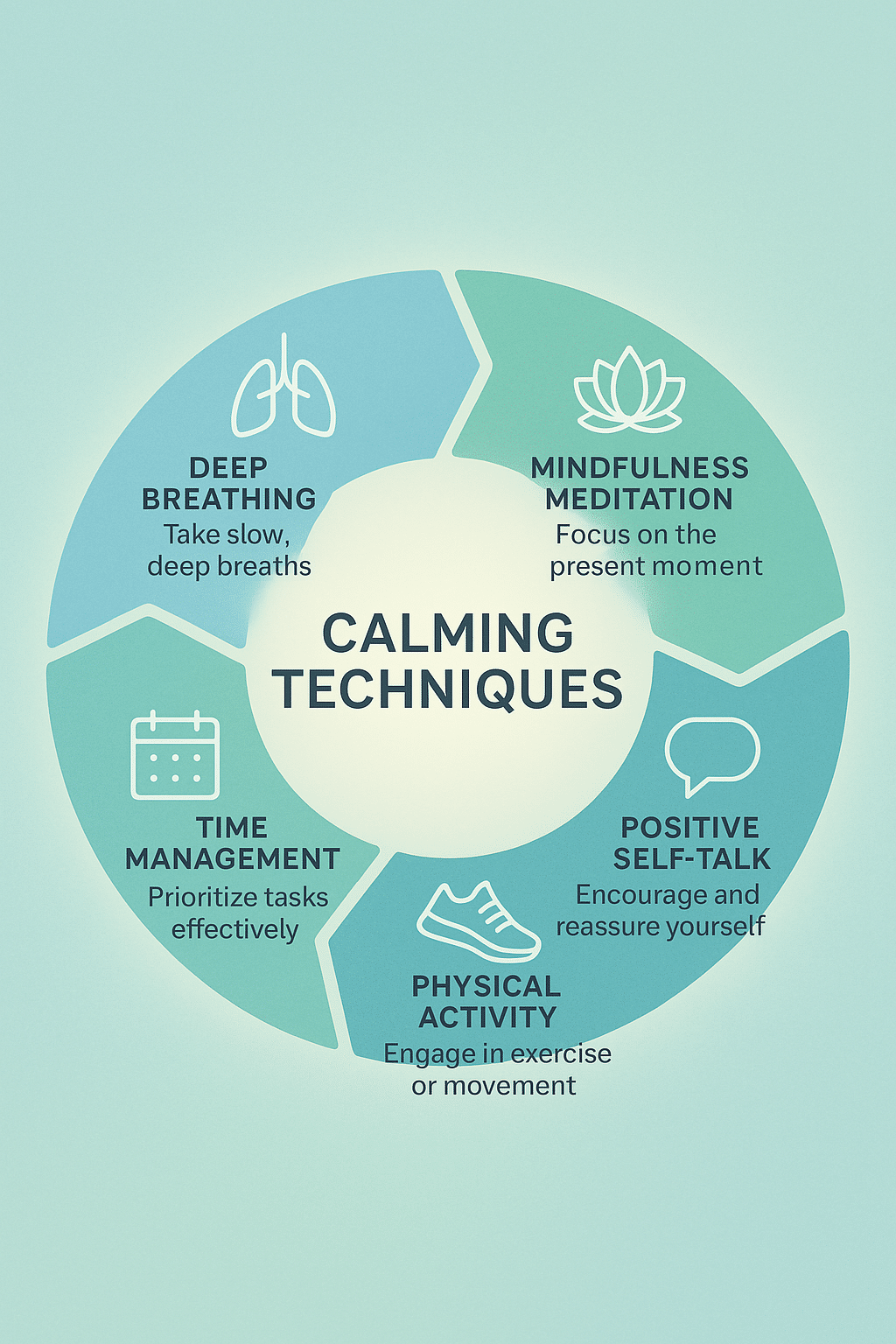
To truly grasp how to stay calm under pressure, it’s crucial to start with what actually happens inside your body during stressful moments.
How the Nervous System Reacts to Pressure
When you encounter pressure—think tight deadlines, high-stakes presentations, or intense conversations—your nervous system doesn’t just sit back quietly. Instead, it kicks your body into “fight-or-flight” mode, a primal survival mechanism designed to prepare you to either confront or flee from threats.
This reaction activates the sympathetic nervous system, releasing adrenaline and noradrenaline. You might notice your heart rate spike, breathing quicken, muscles tighten, and senses sharpen. While beneficial in genuine emergencies, this response can become problematic in everyday stress, causing overwhelm if it stays activated too long.
The parasympathetic nervous system functions as your body’s natural brake, responsible for promoting rest, recovery, and calm. Learning to engage this system consciously can help counterbalance the stress response, shifting you toward relaxation and mental clarity.
Role of Cortisol and Stress Hormones in Anxiety
Cortisol, known as the “stress hormone,” is released by your adrenal glands during periods of pressure and perceived threat. It helps mobilize energy by raising blood glucose levels but prolonged elevation can wreak havoc on your heart, immune function, memory, and mood.
For example, chronic cortisol elevation has been linked to anxiety, insomnia, and impaired decision-making. But here’s the optimistic part: By applying techniques that reduce stress hormone levels, like controlled breathing or mindfulness meditation, you can mitigate these negative effects and support a healthier mental state.
Cultivating Emotional Self-Awareness to Manage Pressure
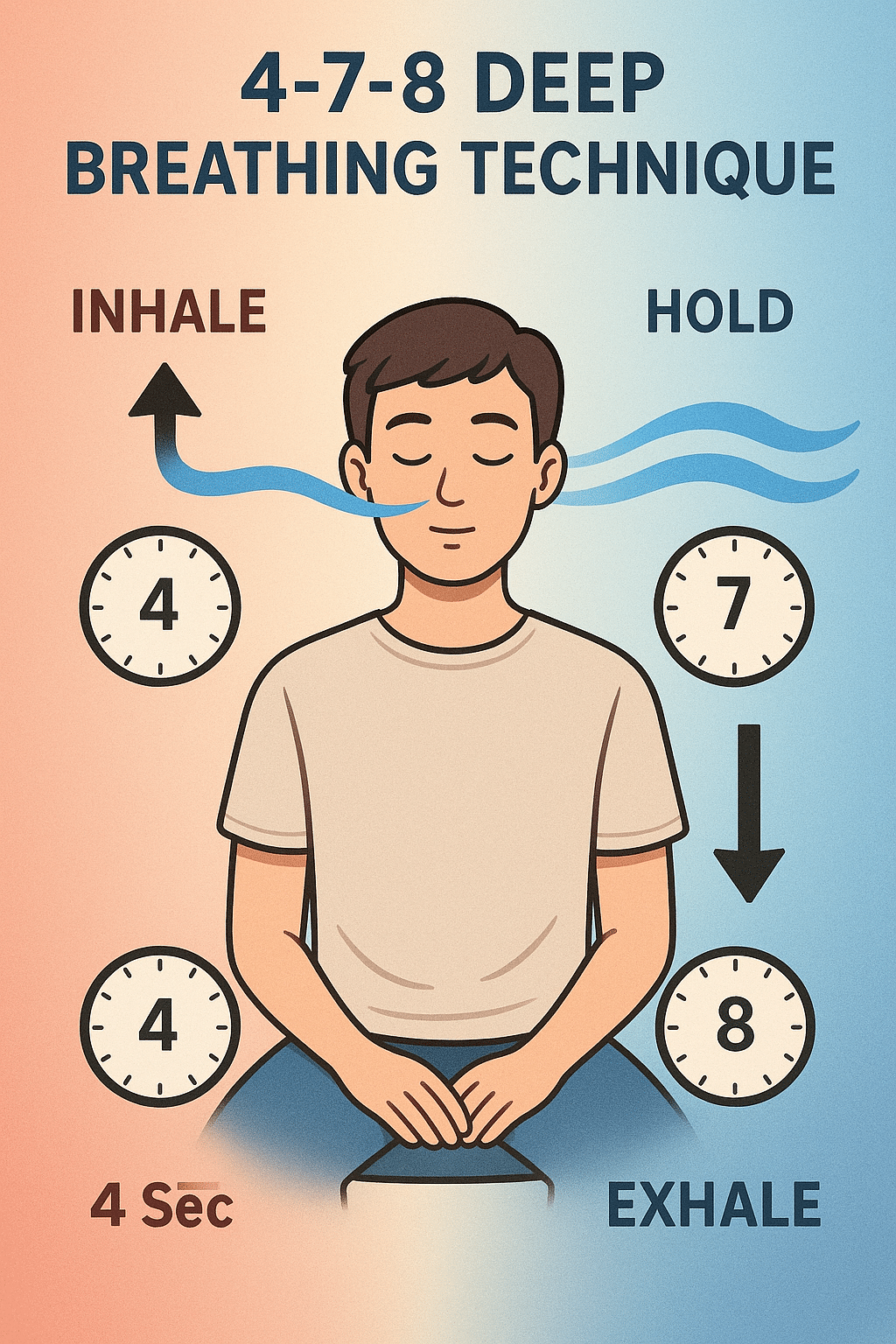
The first step to mastering calm under pressure is tuning in to your emotions before they spiral.
Identifying Personal Stress Triggers
Understanding your unique “pressure points” is empowering. Ask yourself: What situations provoke my stress? Is it public speaking? Conflicts? Unexpected changes? By naming these triggers, you can prepare and respond more intentionally.
For example, a wellness coach I worked with identified her main stress trigger was sudden schedule changes. Recognizing this helped her develop a flexible mindset and practice acceptance rather than resistance, which in turn reduced her anxiety significantly.
Techniques to Regulate Emotional Responses
Once you know your triggers, techniques like journaling, positive self-talk, and emotional labeling become powerful tools. Labeling emotions—simply saying to yourself, “I’m feeling anxious” instead of trying to suppress it—actually lessens their intensity.
Additionally, embracing emotional self-regulation through progressive muscle relaxation or mindful pauses can help interrupt the cascade of stress reactions, letting you approach pressure with a cooler head.
Mastering Mindful Breathing Exercises to Stay Calm Under Pressure
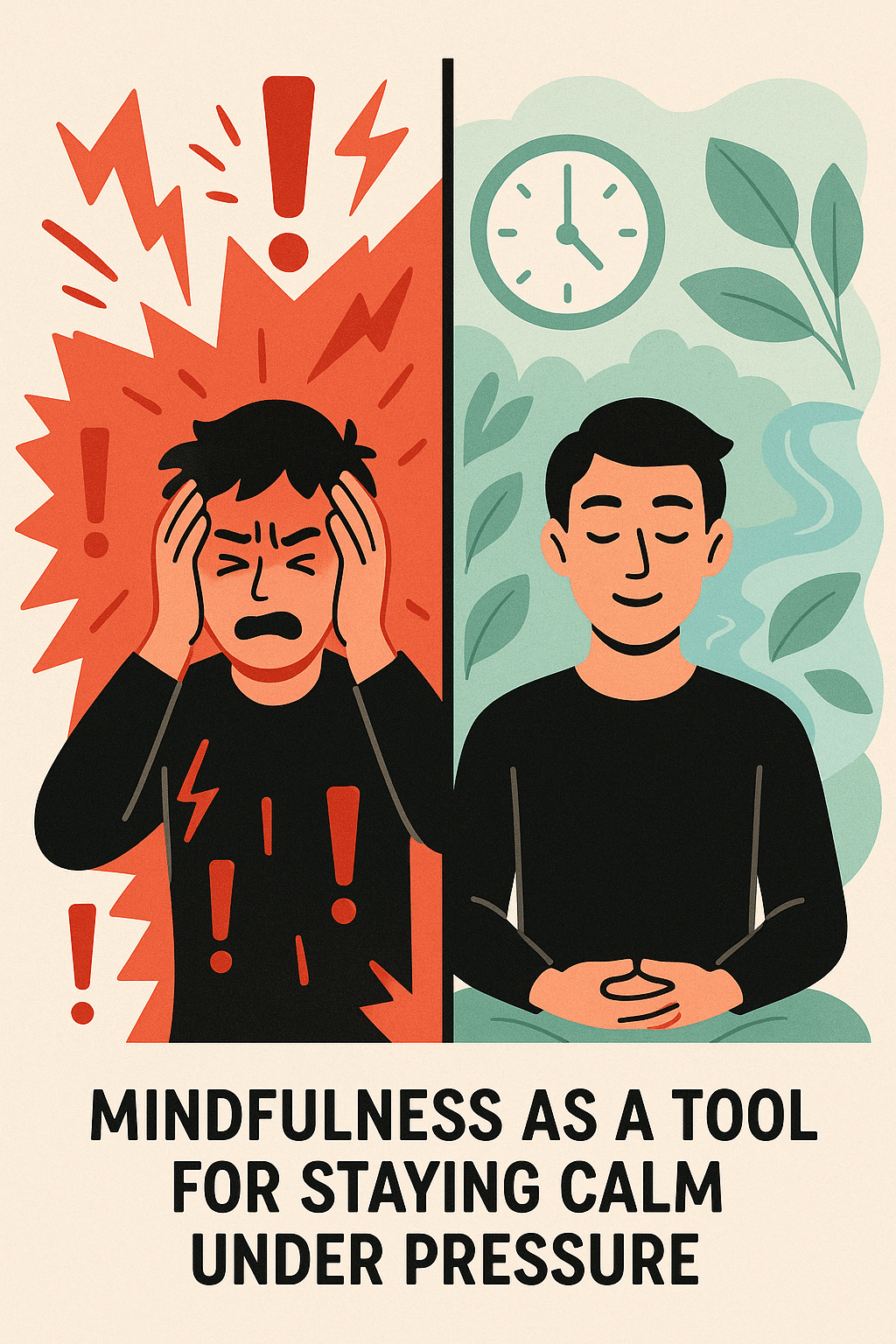
Breathing is your built-in reset button—and learning to control it is one of the best ways to calm your mind instantly.
Introduction to Deep Breathing Techniques
Deep, slow breaths help activate your parasympathetic nervous system, lowering heart rate and blood pressure. Unlike shallow, rapid breaths during stress, mindful breathing slows everything down physically and mentally.
The 4-7-8 breathing exercise, in particular, is highly effective.
Step-by-Step Guide to the 4-7-8 Breathing Exercise by Dr. Andrew Weil
This technique involves:
- Find a Comfortable Position: Sit upright with your back straight.
- Place Your Tongue: Touch the tip of your tongue to the ridge behind your upper front teeth and keep it there.
- Exhale: Close your mouth and exhale fully through your mouth, making a whooshing sound.
- Inhale: Close your mouth and inhale quietly through your nose for a count of 4.
- Hold: Hold your breath for a count of 7.
- Exhale: Exhale through your mouth with a whooshing sound for a count of 8.
Repeat this cycle four times. Practicing this twice daily helps condition your nervous system for quick calm during stressful moments.
For a full demonstration, you might find Dr. Weil’s video helpful: Dr. Weil’s 4-7-8 Breathing Exercise.
Daily Practices for Sustaining the Relaxation Response
Incorporate this method into your morning routine or as a transition after a stressful event. Explore combinations with gentle stretches or mindful walking to deepen your relaxation practice.
Using Mindfulness Meditation as a Cornerstone for Calmness
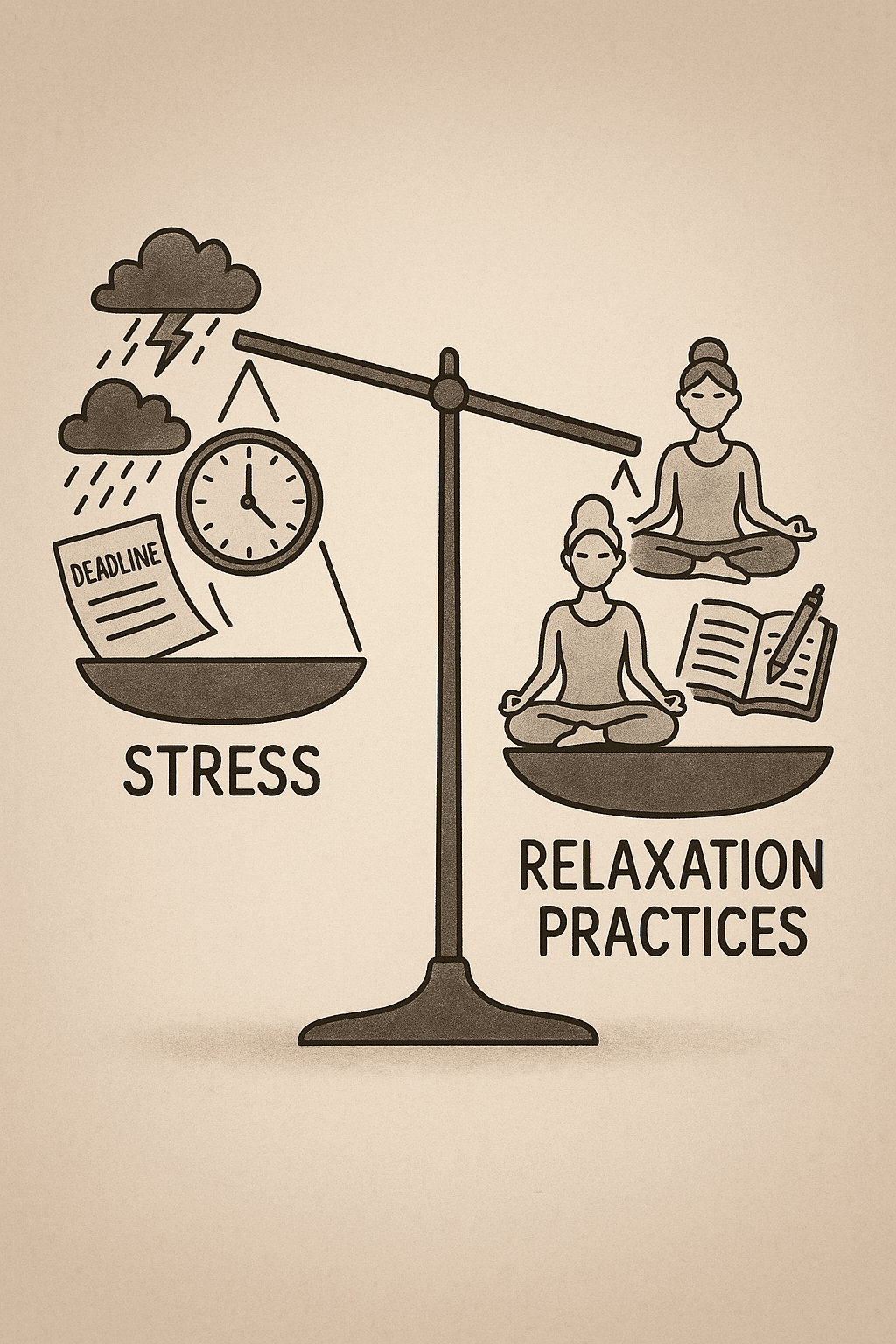
Mindfulness meditation isn’t just a buzzword. It’s a scientifically backed technique proven to reduce stress and increase focus.
Benefits of Mindfulness for Stress Relief and Focus
Mindfulness anchors you to the present moment, helping reduce rumination on past or future worries that fuel stress. Studies show that regular mindfulness practice decreases cortisol levels and improves mental clarity and emotional regulation.
Incorporating Mindfulness Into Daily Life
Start with brief sessions, such as 5 to 10 minutes of focusing on your breath or bodily sensations. Apps like Calm support beginners with guided meditations, sleep stories, and breathing exercises.
Enhancing Meditation with the Muse 2 Brain Sensing Headband
For those seeking advanced guidance, the Muse 2 Brain Sensing Headband is a state-of-the-art wearable that tracks brain activity, heart rate, breathing, and body movement during meditation. It provides real-time feedback to help you refine your practice and increase calmness more effectively.
Priced around $249.99 USD, this device offers up to 5 hours of use, syncing with iOS and Android devices. It’s ideal for wellness-focused individuals wanting to deepen mindfulness with cutting-edge biofeedback tech.
The Power of Positive Visualization and Cognitive Techniques
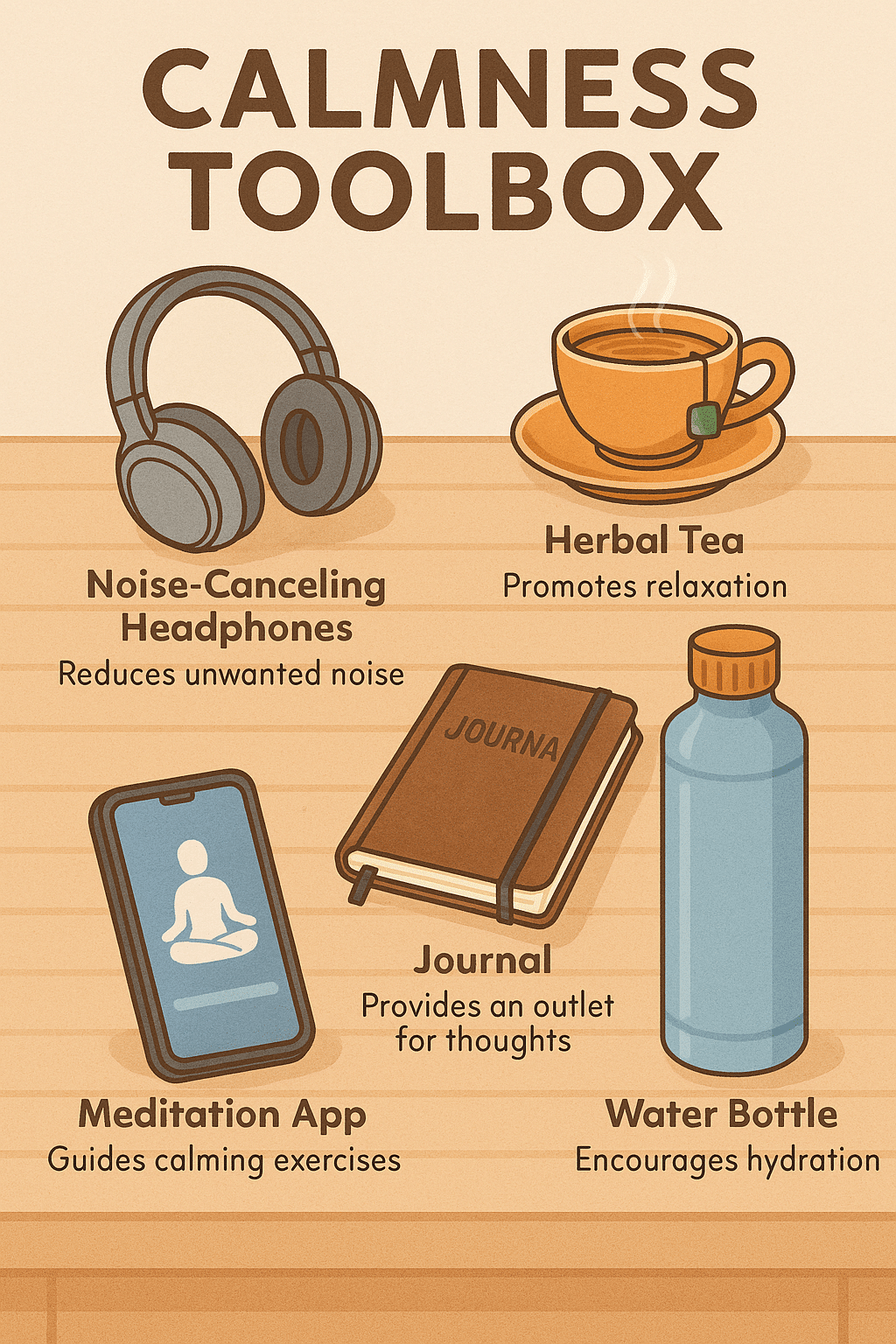
Changing your mental script can make all the difference in pressure moments.
Challenging Negative Thoughts Under Pressure
Cognitive Behavioral Therapy (CBT) principles teach us to notice and challenge unhelpful, automatic negative thoughts. Instead of “I can’t handle this,” try reframing to “I’m prepared and can manage this challenge.”
Visualization Exercises to Expect Positive Outcomes
Visualization involves mentally rehearsing success and calmness. For instance, before a presentation, imagine yourself speaking confidently while your body remains relaxed. Practice vivid sensory details of the scenario–what you see, hear, and feel—to make the technique more powerful.
Practical Time Management and Prioritization to Reduce Overwhelm
Sometimes pressure balloons because of poor planning.
Applying the 80/20 Principle to Focus on What Matters
Focus your energy on tasks that yield the highest impact. Often, 20% of your efforts produce 80% of the results. Prioritize those critical tasks first to reduce unnecessary stress.
Organizing Priorities to Maintain Clear Thinking
Use tools like to-do lists, digital planners, or time-blocking techniques. Breaking down large projects into smaller steps makes them less daunting, which helps prevent feeling overwhelmed.
Moving Your Body: Physical Activities to Alleviate Stress
Physical movement serves as a natural stress release valve.
Benefits of Walking and Movement Breaks
Even a short 10-minute walk can reduce cortisol levels and improve mood. Regular movement breaks during the day help maintain energy and sharpen focus.
Using Percussive Therapy with the Theragun Elite to Release Tension
The Theragun Elite is a top-tier percussive therapy device that uses rapid pulses to relax tight muscles and improve circulation. Its ergonomic multi-grip handle and customizable speeds (1,750-2,400 percussions per minute) make it perfect for self-massage after stressful periods.
Using the Theragun Elite for 10-15 minutes on tense areas can significantly alleviate physical symptoms of pressure, helping the mind relax as well. The device integrates with a mobile app for tailored sessions and lasts up to 120 minutes per charge.
Prioritizing Quality Sleep for Stress Recovery
A calm mind starts with restorative sleep.
Understanding Sleep Hygiene and Its Impact on Stress
Poor sleep heightens stress sensitivity. Establish a regular bedtime, limit screens before sleep, and create a dark, cool sleeping environment.
Using Philips Wake-up Light Alarm Clock HF3520 for Gentle Morning Awakenings
Waking abruptly to loud alarms can worsen stress responses. The Philips Wake-up Light Alarm Clock HF3520 simulates a gradual sunrise over 30 minutes, gently preparing your body and mind to wake naturally.
It includes five natural sounds and an FM radio option to customize your wake-up experience, with a convenient tap-to-snooze function. This device supports better mood regulation and stress reduction from the moment you rise.
Leveraging Technology for Stress Management and Meditation Support
Technology can be your friend, not your foe, when rightly used.
Overview of Digital Tools Like Calm Premium Subscription
The Calm app is a well-known meditation and relaxation resource offering guided meditations, breathwork, and sleep stories. Subscriptions provide access to thousands of sessions tailored for stress relief, focus, and sleep enhancement. Their flexible pricing plans fit diverse budgets. (Calm Premium Pricing)
Tracking and Improving Wellness with Biofeedback Devices
Devices like the Muse 2 encourage mindfulness with objective biofeedback, elevating your awareness of physiological states which supports sustained calm throughout pressure-filled days.
Creating Pre-Pressure Routines to Boost Performance and Calmness
Preparation is half the battle.
Strategies to Embrace Discomfort and Maintain Focus
Recognize that discomfort in pressure situations is normal. Use mental affirmations: “I feel this, but I am capable.” Controlled breathing or quick meditative pauses just before or during pressure can prevent overwhelm.
Simple Steps to Prepare Mentally Before Stressful Situations
Visualization, rehearsing key points, and grounding exercises (focusing on five sensory details around you) are quick, effective tactics to stay centered.
Cultivating Resilience: Long-term Strategies for Staying Calm
Sustained calm goes hand in hand with emotional strength.
Building Emotional and Mental Strength
Engage in regular self-reflection, maintain social support, and practice gratitude to build a robust mental foundation against stress.
Developing Healthy Lifestyle Habits to Support Balance
Nourish your body with balanced nutrition, stay hydrated, and include relaxing rituals in your week, such as nature walks or creative hobbies.
Unique Insight: Integrating Sensory Modulation Techniques for Personalized Calmness
Understanding how your senses react to stress can tailor your calm practices.
Using Multisensory Tools to Engage Sight, Sound, and Touch
Incorporate soothing sounds, gentle lighting, or calming textures into your workspace or relaxation area to create a sensory environment that buffers pressure.
Tailoring Calmness Practices to Individual Sensory Preferences
Some people benefit more from visual calm (like soft colors or nature views), others from tactile experiences (stress balls or weighted blankets). Knowing your sensory needs helps you build personalized stress-coping kits.
FAQs
Q1: How can I stay calm under pressure at work?
A1: Identify your stress triggers at work, use deep breathing exercises (like the 4-7-8 method), manage your time with prioritization tools, and take short movement breaks. Incorporating mindfulness meditation apps and guided sessions can also bolster calm during busy workdays.
Q2: What are the best breathing exercises to stay calm under pressure?
A2: The 4-7-8 breathing technique developed by Dr. Andrew Weil is highly effective. It involves inhaling for 4 seconds, holding for 7, and exhaling for 8. Practicing this twice daily can train your nervous system for quick relaxation.
Q3: How does mindfulness help in staying calm during high-pressure moments?
A3: Mindfulness cultivates present-moment awareness, reducing anxious thoughts about past or future stressors. It helps you respond thoughtfully rather than react impulsively, lowering cortisol and enhancing emotional regulation.
Q4: Can technology really aid in managing stress and pressure?
A4: Yes. Tools like the Muse 2 brain sensing headband provide real-time feedback during meditation to deepen calmness. Apps like Calm offer guided meditations and sleep stories, while devices like the Theragun Elite relieve physical tension, all supporting stress relief.
Q5: How important is sleep in learning how to stay calm under pressure?
A5: Sleep is vital. Poor sleep increases sensitivity to stress. Devices like the Philips Wake-up Light Alarm Clock HF3520 promote gentle awakenings, improving mood and resilience. Prioritizing sleep hygiene is a cornerstone of lasting calm.
Quick Takeaways / Key Points
- Understanding your body’s stress response (nervous system and cortisol) helps in managing pressure.
- Emotional self-awareness is the foundation for regulating stress reactions.
- The 4-7-8 breathing exercise is a scientifically validated tool to calm your nervous system rapidly.
- Mindfulness meditation enhances focus and lowers stress hormones.
- Time management and prioritization reduce overwhelm by focusing on high-impact tasks.
- Physical activity and percussive therapy devices like Theragun Elite alleviate muscle tension linked to stress.
- Quality sleep and gentle awakenings with Philips Wake-up Light improve your morning mood and stress resilience.
Conclusion
Mastering how to stay calm under pressure is not a one-time feat but a lifelong practice woven from knowledge, awareness, and the right tools. By understanding stress physiology, developing emotional self-awareness, leveraging techniques like mindful breathing and meditation, and incorporating advanced resources such as the Muse 2 and Theragun Elite, you create a personalized calm toolkit for any high-pressure situation.
I encourage you to start small—pick a technique or two that resonate with you and make them daily habits. You’ll be amazed at how these practices, combined with good sleep hygiene using devices like the Philips Wake-up Light, gradually transform how you respond to pressure. Remember, calmness is a skill just like any other; with patience, persistence, and the right support, you can cultivate lasting stress relief and a balanced life.
Ready to take the next step toward calm? Explore these strategies and tools, customize them to your lifestyle, and watch as pressure becomes manageable instead of overwhelming. Your journey to staying calm under pressure starts now.