

Imposter syndrome—have you ever felt like you’re just faking it, that any moment now someone will call you out as a fraud? If so, you’re definitely not alone. Many wellness-focused individuals seeking stress relief and balance grapple with this insidious internal critic. Today, I want to walk you through how to overcome imposter syndrome in a way that’s both practical and sustainable, so you can reclaim your confidence and nurture lasting well-being.
This article dives deeply into the nature of imposter syndrome, its impact on your mental health, and several powerful strategies built around mindfulness, self-talk, goal-setting, and community support. Alongside, I’ll introduce you to some valuable tools—from guided journals like The Self-Talk Map Journal by The Happiness Planner to mindfulness courses and even Calm Premium’s rich meditation library—that can make your journey smoother.
Whether you’re struggling with self-doubt at work, balancing perfectionist tendencies, or simply want to cultivate more self-compassion and resilience, this comprehensive guide offers actionable steps grounded in experience and expert insights. Let’s embark on this path together and overcome imposter syndrome for good.
Understanding Imposter Syndrome: The Hidden Barrier to Personal Growth

What Is Imposter Syndrome?
Imposter syndrome is a psychological pattern where individuals doubt their accomplishments and have a persistent fear of being exposed as a “fraud.” Despite external evidence of their competence, those affected attribute success to luck, timing, or deceiving others, rather than their own abilities. This phenomenon can affect anyone, but it’s notably prevalent among high achievers and wellness-focused people aiming for personal balance.
Psychologist Pauline Clance first described the syndrome in the 1970s, highlighting the internal struggle between perceived self-doubt versus actual skill. Think about the moments when you downplay praise or feel “lucky” rather than capable—that’s the sneaky voice of imposter syndrome creeping in.
Common Signs and Triggers in Wellness-Focused Individuals
In those prioritizing well-being and stress relief, imposter syndrome can hide behind perfectionism and self-discipline. Some key signs include:
- Chronic Self-Doubt: Questioning your skills or qualifications despite evidence of success.
- Overworking or Overpreparing: Trying to compensate for perceived inadequacies, leading to burnout.
- Fear of Failure or Criticism: Avoiding new challenges to prevent “being found out.”
- Discounting Praise: Brushing off compliments or attributing success to external factors.
- Mental Comparisons: Constantly comparing yourself to others, fueling feelings of inadequacy.
Triggers vary but often tie to milestones like starting new roles, public speaking, or wellness commitments that push comfort zones. Recognizing your own triggers is vital for proactive management.
The Impact of Imposter Syndrome on Stress and Mental Balance
Living with imposter syndrome doesn’t just affect confidence; it intensifies stress and disrupts mental balance. Many experience:
- Elevated Anxiety: Constantly worrying about making mistakes or disappointing others.
- Lowered Self-Esteem: Feeling unworthy despite achievements.
- Exhaustion and Burnout: Overcompensating efforts wear down physical and emotional resources.
- Stunted Growth: Avoiding opportunities out of fear rather than embracing challenges.
- Emotional Isolation: Believing no one else understands your experience.
These impacts interfere with the wellness goals so many of us strive for—to feel peaceful, centered, and balanced.
Harnessing Mindfulness to Quiet the Inner Critic
Mindful Self-Compassion: A Core Strategy
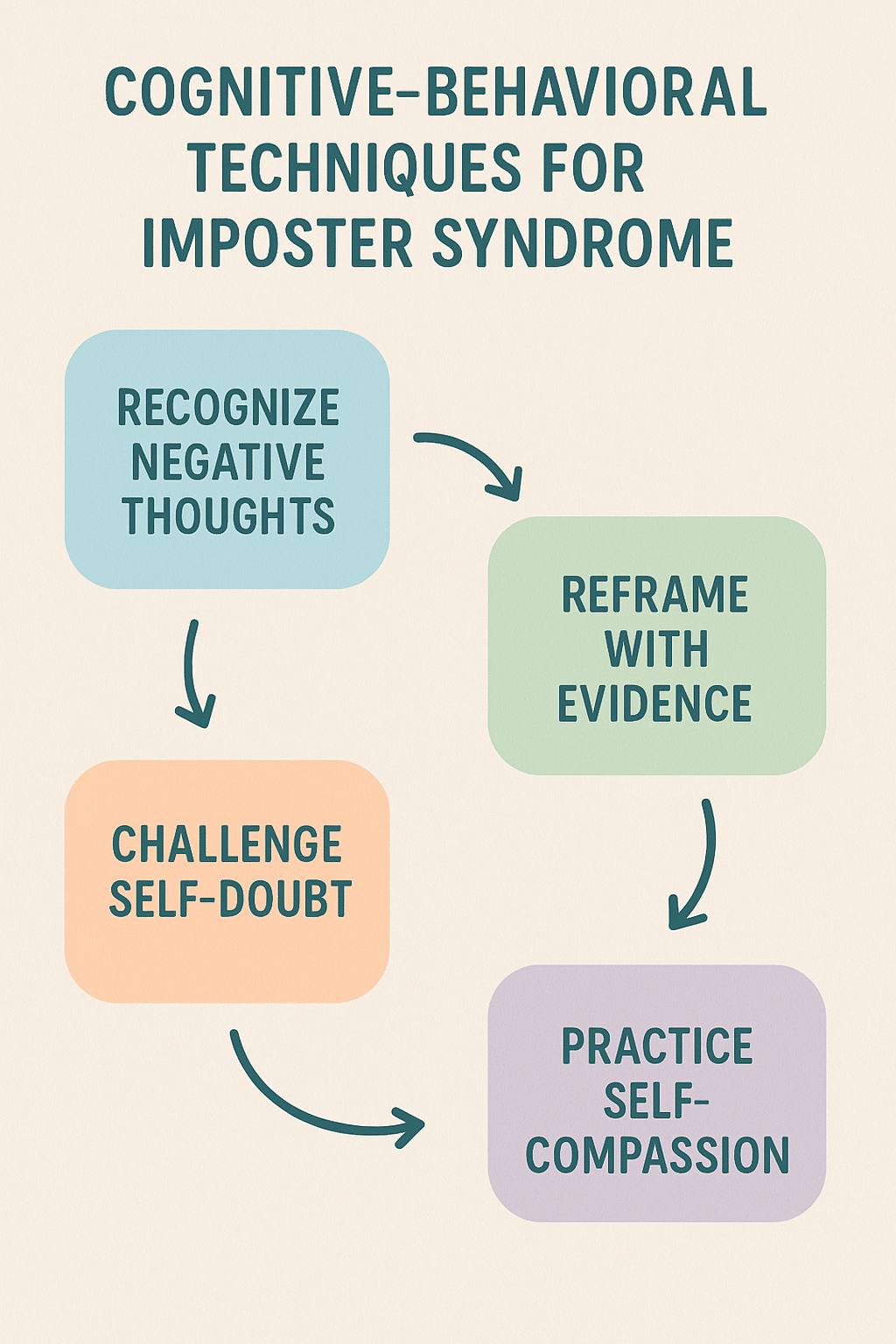
One of the most effective ways to counteract imposter syndrome is cultivating mindful self-compassion. This means acknowledging your feelings without judgment and responding to yourself with kindness and understanding—just as you would to a dear friend. When the inner critic rages, mindfulness offers a pause button.
Here’s how you can practice it:
- Recognize the Feeling: When self-doubt surfaces, name it. Say silently: “This is imposter syndrome showing up.”
- Accept, Don’t Suppress: Allow the feeling without fighting it. Resistance often amplifies distress.
- Offer Kindness: Place a hand on your heart or take a deep breath, reminding yourself that imperfection is part of being human.
Techniques: Body Scan, Breathing, and Cognitive Defusion
Incorporate these specific mindfulness methods into your routine:
- Body Scan Meditation: Sit or lie down comfortably. Focus sequentially on parts of your body from toes to head, noticing sensations and releasing tension. This brings you into the present and calms anxious thoughts.
- Mindful Breathing: Concentrate on the natural flow of breath. If the mind wanders, gently guide it back. This simple focus helps detach from self-critical stories.
- Cognitive Defusion: Borrowed from Acceptance and Commitment Therapy, this technique teaches you to observe thoughts as just thoughts, rather than facts. For example, rather than “I am a fraud,” reframe as “I am experiencing the thought that I am a fraud.” This shift reduces their emotional grip.
Using Mindfulness to Manage Imposter Syndrome Stress
When imposter feelings spike, mindfulness can reduce the accompanying stress through emotional regulation. Regular practice even changes brain patterns, enhancing resilience over time. Applying mindfulness daily, even just five minutes, nurtures self-awareness which prevents negative spirals before they start.
Resources for Mindfulness Practice: Coursera Mindfulness and Well-being Specialization
If you want guided learning, the Mindfulness and Well-being Specialization offered by Rice University on Coursera is an excellent structured program. Featuring lectures, meditations, and practical exercises, this three-course series builds foundational mindfulness skills applicable to managing imposter syndrome and enhancing mental wellness. You can explore it here: Coursera Mindfulness and Well-being Specialization
Cultivating Positive Self-Talk and Emotional Regulation

Challenging Negative Thoughts and Perfectionism
Imposter syndrome thrives on negative self-talk and perfectionist thinking. But you can challenge these by questioning their validity and reframing your inner narrative. For example:
- Instead of “I must be perfect or I’m a failure,” try “Doing my best is enough, mistakes are part of learning.”
- When your mind says, “I don’t deserve this,” respond internally, “My effort and growth earned me this opportunity.”
This conscious reframing slows down automatic self-doubt and opens up space for balanced thoughts.
How to Reframe Self-Doubt into Growth Opportunities
Reframing self-doubt requires a growth mindset—the belief that talents and abilities improve through effort. Here are steps to do just that:
- Identify the Doubt: Write down negative thoughts as they arise.
- Examine the Evidence: Ask yourself if the thought is factually true or just a feeling.
- Turn It Around: Transform self-critical thoughts into questions or affirmations that promote learning.
- Set Small Experiments: Test out new behaviors to disprove the limiting belief.
This approach transforms “I’m not good enough” into “How can I improve and learn more?”
The Self-Talk Map Journal: A Guided Tool for Daily Reflection and Affirmations
One great tool to support this process is The Self-Talk Map Journal by The Happiness Planner. It provides daily prompts to help you:
- Identify negative thought patterns
- Develop positive affirmations
- Track emotional regulation progress
Incorporating this journal into your morning or evening routine supports emotional resilience, making it easier to shift unhelpful inner dialogue. It’s available at retailers like The Happiness Planner, offering a structured way to build self-compassion and confidence over time.
Building Resilience Through Consistent Emotional Awareness
Building resilience is key to overcoming imposter syndrome stress. This means recognizing your emotional triggers and responses consistently, and choosing healthier reactions rather than suppression or avoidance. Over time, you’ll rewire your responses to foster balance instead of burnout.
Creating and Utilizing a Personal Success Archive
The Value of Documenting Achievements and Positive Feedback
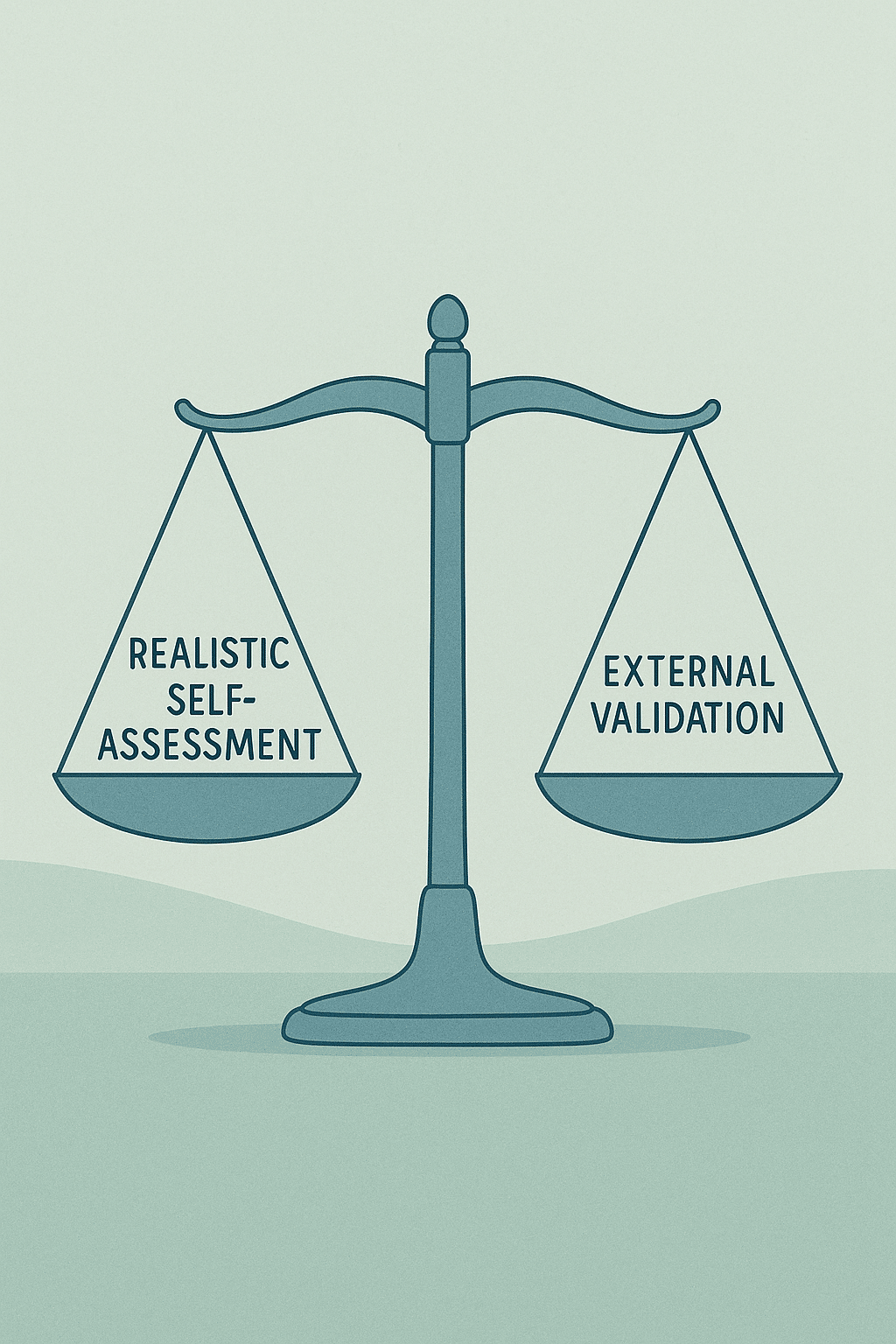
Keeping track of accomplishments and positive feedback is a powerful antidote to imposter syndrome. When your mind tries to erase your wins, your personal archive reminds you of real evidence against self-doubt. A success archive provides:
- Tangible proof of competence
- Motivation in low moments
- A boost to confidence and self-worth
Incorporating The Brag Box Wellness Journal from Moleskine
Though The Brag Box kit might not always be available, Moleskine offers a thoughtfully designed Wellness Journal that can be adapted as a personal success archive. Using such a journal, write down:
- Daily or weekly achievements, however small
- Compliments or positive feedback received
- Times when you overcame challenges
This practice solidifies the habit of celebrating wins and builds a library of empowerment you can always revisit. You can explore the Wellness Journal here: Moleskine Wellness Journal
How Celebrating Small Wins Builds Confidence
It’s easy to overlook small progress, but every step forward counts. When you intentionally celebrate these moments, the brain releases feel-good neurotransmitters like dopamine, reinforcing motivation. For example, if public speaking triggers imposter syndrome, praising yourself for completing even a brief talk strengthens self-belief for bigger challenges ahead.
Building a Strong Support Network and Sharing Experiences

The Power of Vulnerability: Talking About Imposter Syndrome
Breaking the silence around imposter syndrome is liberating. Sharing your experiences reduces isolation and normalizes the struggle. Vulnerability connects us to others who might be silently suffering, creating space for mutual support.
Opening up to trusted friends, family, or wellness colleagues helps dismantle the shame and secrecy that imposter feelings thrive on.
Finding Mentors, Allies, and Support Systems for Encouragement
Quality support systems are vital. Mentors who have faced similar challenges can provide guidance, pull you out of negative spirals, and model healthy confidence. Allies, like peers or support groups, bolster your emotional safety to share and grow without fear of judgment.
Look for mentorship programs within your professional or wellness communities, or join online forums where imposter syndrome is openly addressed.
Using Community and Group Workshops to Combat Isolation
Community workshops or group coaching provide structured environments to explore imposter feelings collectively. These settings often combine education, mindfulness, journaling, and peer sharing, offering diverse coping tools in real time. Many wellness centers and platforms now offer such workshops, some virtually.
Employing Goal-Setting and the Growth Mindset to Transform Self-Doubt
Setting Realistic and Achievable Goals to Prevent Burnout
Clear goal-setting grounded in reality stops imposter syndrome from overwhelming you. Goals should be:
- Specific: Define what success looks like in clear terms.
- Measurable: Track progress objectively.
- Achievable: Stretch yourself without setting up for failure.
- Relevant: Align with your values and wellness priorities.
- Time-bound: Set reasonable deadlines.
This SMART framework gives motivation without pressure.
Leveraging Principles from The 7 Habits of Highly Effective People
Stephen R. Covey’s classic book The 7 Habits of Highly Effective People offers timeless principles that complement imposter syndrome recovery. For example:
- Be proactive: Take responsibility for your reactions to self-doubt.
- Begin with the end in mind: Visualize success clearly to steer efforts.
- Seek first to understand, then to be understood: Practice empathy for yourself and others.
Engaging with Covey’s work—available widely through Amazon and other retailers—can deepen your strategic approach to growth and wellness.
Monitoring Progress and Revisiting Goals to Sustain Balance
Regularly reflect on your goals, celebrate successes, and adjust when needed. Flexibility prevents burnout and keeps self-doubt manageable. Use your journal or success archive to note growth, patterns, and setbacks. This ongoing process nurtures balance between ambition and wellness.
Unique Insight: Integrating Self-Compassion with Performance to Redefine Success
How Welcoming Failure as a Learning Opportunity Reduces Imposter Feelings
Reframing failure as feedback rather than catastrophe is a game-changer. When you embrace mistakes as essential learning moments, the fear that feeds imposter syndrome diminishes. This mindset encourages curiosity and resilience over avoidance and shame.
Balancing Ambition and Wellness for Sustainable Growth
Sustainable growth involves harmonizing high standards with self-care. Ambition drives progress, but must be paired with compassion and realistic pacing. Recognizing when to push forward and when to rest maintains mental and emotional equilibrium.
Strategies for Wellness-Focused Individuals to Shift Perspective
- Set daily intentions grounded in compassion.
- Practice gratitude for effort, not just outcomes.
- Surround yourself with those who celebrate authenticity over perfection.
These strategies nurture a balanced identity that withstands imposter syndrome’s pressure.
Enhancing Well-Being Through Professional Tools and Subscriptions
Using Calm Premium to Support Relaxation and Emotional Regulation
Calm Premium offers an extensive library of guided meditations, sleep stories, breathing exercises, and music designed to reduce stress and improve emotional balance—ideal for imposter syndrome relief. Its resources help anchor mindfulness practice and soothe the inner critic.
Available through monthly, annual, or lifetime subscriptions, Calm Premium also offers a 7-day free trial, making it accessible for starting your journey towards mental wellness. Learn more at Calm.com.
Guided Meditations and Sleep Stories for Imposter Syndrome Recovery
Sleep disturbances and anxiety often accompany imposter feelings. Calm’s meditations and sleep stories designed by experts can improve rest quality, allowing better emotional regulation and stress resilience. Regular use supports overall mental health and balance.
Importance of Continuous Learning and Self-Help Resources
Finally, embracing continuous growth through reading, courses, and tools fortifies your ability to overcome imposter syndrome long term. Combined practices—from mindfulness to goal-setting—create a comprehensive network of support.
Conclusion: Embracing Your Worth and Sustaining Lasting Balance
Let me recap the powerhouse five ways we explored today to overcome imposter syndrome:
- Harness mindfulness and self-compassion to quiet resistance and build emotional safety.
- Cultivate positive self-talk and emotional awareness through journaling and reframing negative thoughts.
- Create a personal success archive to remind yourself of real achievements and boost confidence.
- Build a strong support network by sharing your experiences and finding mentors to guide you.
- Employ goal-setting and a growth mindset for sustainable progress balanced with well-being.
Overcoming imposter syndrome is not an overnight fix but a commitment to ongoing self-acceptance, learning, and resilience. I encourage you to take these strategies to heart and customize them in ways that resonate with your wellness journey. Remember, you are not alone, your worth is real, and your growth is within reach.
If you’re ready to start, grab a journal like The Self-Talk Map Journal from The Happiness Planner or try a free mindfulness session on Calm. Dive into The 7 Habits of Highly Effective People for lasting personal development, and step into your full potential with kindness and courage.
FAQs
Q1: How can I overcome imposter syndrome naturally without medication?
A1: Natural strategies include mindfulness meditation, journaling to cultivate positive self-talk (such as with The Self-Talk Map Journal), building supportive communities, and practicing self-compassion. These methods promote emotional regulation and reframe negative beliefs without pharmaceutical interventions.
Q2: What are effective ways to overcome imposter syndrome at work?
A2: Effective workplace strategies include seeking mentorship, setting realistic goals, documenting successes, challenging perfectionism, and discussing imposter feelings with trusted colleagues to reduce isolation.
Q3: How do mindfulness techniques help manage stress related to imposter syndrome?
A3: Mindfulness encourages present moment awareness, reducing rumination on fears of failure or inadequacy. Techniques like body scans and mindful breathing calm the nervous system and weaken the power of negative thoughts, lowering stress levels.
Q4: Can affirmations truly help in overcoming imposter syndrome?
A4: Yes! Affirmations that emphasize self-worth and capability help retrain your brain to focus on strengths, reducing self-doubt. Consistent repetition alongside reflective journaling enhances their effectiveness.
Q5: How do I support someone dealing with imposter syndrome?
A5: Listen empathetically without judgment, validate their feelings, encourage acknowledgment of their achievements, and gently offer resources such as mindfulness apps or personal development journals. Sharing your own experiences can also normalize their struggle and reduce shame.
Quick Takeaways
- Imposter syndrome undermines confidence and fuels stress—recognition is the first step to overcoming it.
- Mindfulness and mindful self-compassion are foundational tools that calm the inner critic.
- Positive self-talk, journaling, and goal-setting support emotional resilience and growth.
- Building personal success archives and celebrating small wins reinforce self-worth.
- Strong support networks and vulnerability reduce isolation and promote healing.
- Professional tools like Calm Premium and structured learning through Coursera boost sustained well-being.
- Embracing failure as a growth opportunity helps redefine success in wellness terms.
Embrace your journey with patience and kindness. You deserve balance, joy, and a life free from the weight of imposter syndrome.