
A 1,200-mile journey through wide-foot frustration, discontinued favorites, and the family-run shop that actually picks up the phone.
Mile 18 of the Richmond Marathon, 2023. My right pinky toe felt like someone had stapled a hot coin to it. I had two options: stop and look, or keep running and pretend the next 8.2 miles wouldn’t be a slow-motion negotiation with my own foot. I kept running. I finished in 3:42. I lost the toenail three weeks later.
The shoe was a half-size too narrow. I’d bought it on Amazon in a panic-order three weeks before the race because my local big-box store didn’t stock a 2E width, and I’d told myself “it’ll stretch.” It did not stretch. It taught me, instead, that I had spent six years buying running shoes the wrong way — by price, by Prime shipping, by whichever colorway looked decent on a phone screen.
That race is the reason I started taking running retailers seriously. And it’s the reason I eventually ended up on Holabird Sports, a 44-year-old family-run shop in Baltimore that I’d somehow never heard of until a stranger on Reddit mentioned it in passing.
How I Found Them
It was a thread on r/RunningShoeGeeks about hunting down a discontinued Brooks Glycerin colorway. Someone replied, almost as an aside: “Try Holabird. They had three pairs in 11.5 last month.” I almost scrolled past it. The name sounded like a children’s bookstore.
I checked the site anyway. They had the shoe. In my width. In two colorways. The page listed the stack height, the heel-to-toe drop, the weight in both grams and ounces, the upper material, and a paragraph that read like it had been written by someone who’d actually run in the thing — not auto-generated from a manufacturer spec sheet.
I almost bought from Running Warehouse that night out of habit. I’d been ordering from them for years and had a kind of muscle-memory loyalty. But Running Warehouse was out of my size in that model, and Zappos had it for $12 more with a vaguer return policy. I added the Glycerin to my cart at Holabird, hesitated for about ten minutes the way you do when you’re trying a new retailer for the first time, and checked out.
I also sent a short email to their customer service before pulling the trigger — a real test. I asked whether the 4E width ran true to the 2E I’d been wearing or if I should size down a half. A reply came back the next morning from a person whose email signature said he’d been fitting running shoes for sixteen years. He recommended staying true to size and mentioned, unprompted, that Brooks had subtly narrowed the toebox between Glycerin 20 and 21. That was the moment I trusted them.
The First Order
The shoes shipped from Baltimore the same afternoon I ordered and arrived in Virginia three days later. Standard ground. The box had a handwritten “Thanks!” on the packing slip, which I would normally find performative, but at that point I was already predisposed to like them.
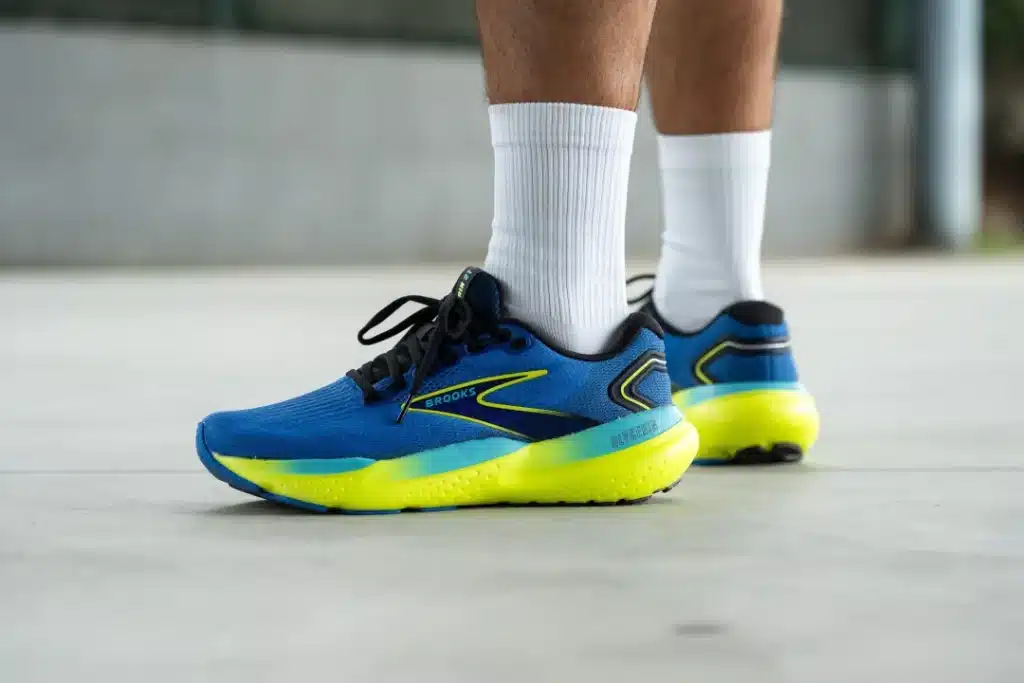
I put 40 miles on the Glycerin 21s over the next two weeks — easy runs at 9:00/mile, one tempo at 7:30, a long run at 8:45. The upper had that slight squeak new Brooks always have for the first 20 miles before it goes away. The fit was correct: roomy through the forefoot without being sloppy at the heel, which is the exact compromise I’ve been trying to find for years as a runner who is wide at the toes and narrow at the heel.
More importantly, the buying experience itself felt different. The site had let me filter by width, by drop, by surface type, and by category (daily trainer / tempo / long run / racing). I’d never seen a retailer organize running shoes by what you actually use them for rather than by brand or price. It’s a small thing. It also revealed how badly most running e-commerce is built for people who run.
The Stress Test
Anyone can have a good first transaction. The second, third, and fourth are where retailers reveal themselves.
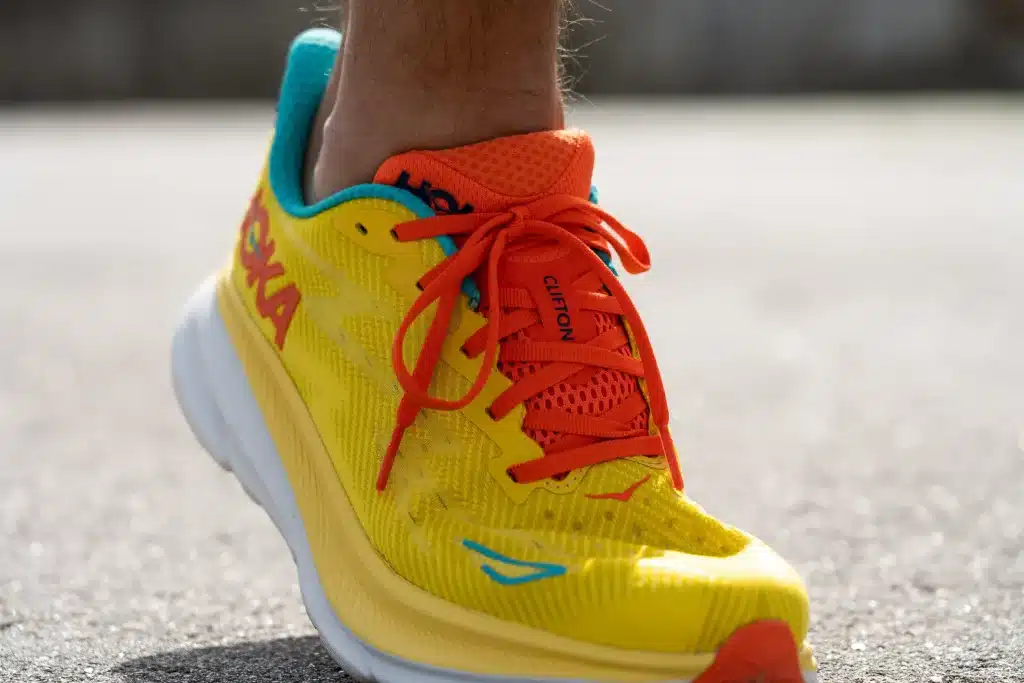
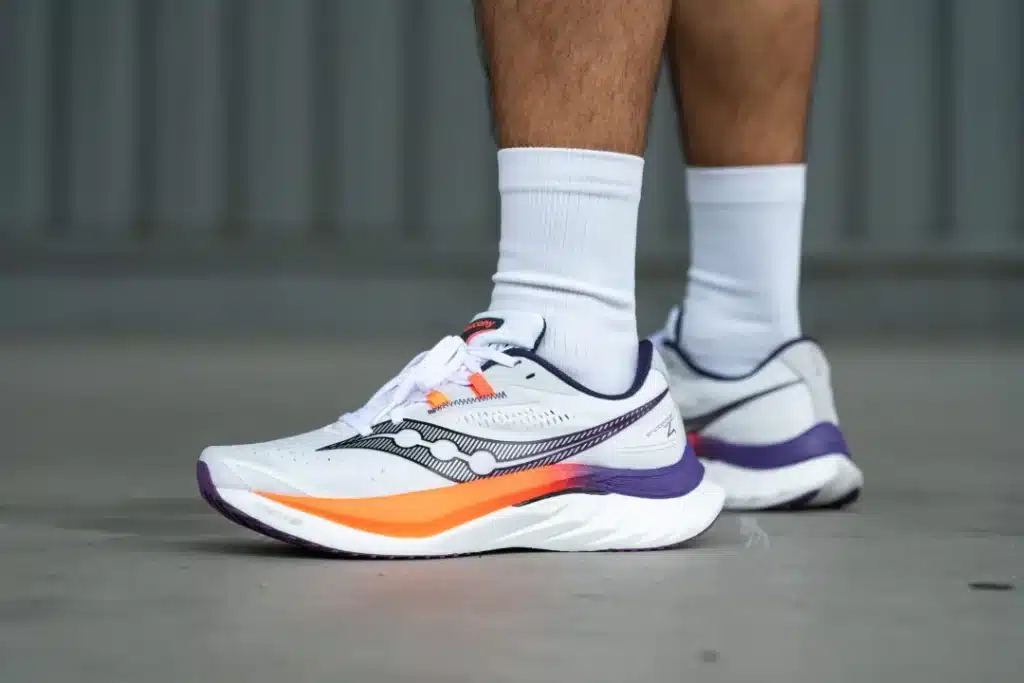
Over the next ten months I bought four more pairs from Holabird: a HOKA Clifton 9 in wide for recovery days, a Saucony Endorphin Speed 4 for workouts, an ASICS Novablast 5 because half of running Twitter wouldn’t shut up about it, and an On Cloudmonster 2 that I returned.
The Cloudmonster return is the story that matters. I’d been curious about the shoe for months — Swiss engineering, weird-looking pods, supposedly the most cushioned thing On had ever made. I ran in them twice. The forefoot was too narrow even in the standard width, and the heel slipped no matter how I laced them. I emailed Holabird on a Thursday. They sent me a prepaid return label within four hours. The refund hit my card eight days later, including the original shipping I’d paid. No restocking fee, no passive-aggressive “we noticed signs of wear” email, no friction. Compare that to the standard big-retailer return experience and you start to understand what specialty service actually means in practice.
The Endorphin Speed 4 became my favorite workout shoe of the year. The Novablast 5 turned out to be exactly as bouncy as everyone said, and I logged a half-marathon PR in them in March. The Clifton 9s lived in my car for two months as my “everything else” shoe.
I also bought non-shoe gear that I almost forgot to mention because it just worked: a six-pack of Balega Hidden Comfort socks, a tube of Squirrel’s Nut Butter for chafe (worth every cent during humid Virginia summers), and a Nathan handheld for marathon training. None of these are exotic items. The point is that I stopped splitting my running-gear orders across three websites and just consolidated.
Now the honest negative, because every review without one is suspect: their site search is mediocre. If you type “Cloudmonster” you’ll get what you want, but if you type “On wide forefoot trainer” you’ll get a slightly random spread of results that includes a few HOKAs and a Brooks. I’ve taken to filtering by brand first, then drilling down. It’s a real friction point, especially on mobile. They also don’t always have the absolute newest colorway on launch day — if you’re the kind of person who needs the limited-edition collab in the first 48 hours, you’re better off going direct to the brand.
Why It Beats the Alternatives (For Me)
I want to be careful here, because retailer loyalty is intensely personal and depends on what you optimize for.
Running Warehouse is still excellent, particularly for trail shoes, and their 90-day try-on policy is genuinely unbeatable. But their inventory on wider widths and last-season models has thinned over the past couple of years.
Zappos wins on convenience if you’re already deep in the Amazon ecosystem, and their return policy is the industry gold standard. They are not, however, a running specialty store. The product copy is shallow, the filtering is generic, and you can’t email someone who has actually run a marathon.
Amazon is fine for restocking known SKUs you’ve worn for years. It is a bad place to make a first-time shoe decision. I am the cautionary tale.
Buying direct from HOKA, Brooks, or On is great for new releases and brand-loyalty members, but you lose comparison shopping entirely, and their return windows are often tighter than specialty retailers.
What Holabird’s running selection gives me that none of those quite match: deep inventory across widths, a site organized around how runners actually shop, and human beings on the other end of an email who know the difference between a Clifton and a Bondi without having to look it up.
How to Actually Shop the Site
A few practical things I’ve learned over a dozen-plus orders:
- Filter by width first, then by category. The width filter is buried but powerful — they stock more 2E, 4E, and women’s wide than almost any online retailer I’ve used.
- The “Spend Less” section is where last-season colorways and discontinued sizes live. This is where the deals are. If you can run in a shoe that came out 14 months ago, you can save real money.
- Email is faster than the phone for fit questions. Phone is faster for shipping or order issues.
- The newsletter occasionally includes early access to sales. I have no specifics to promise here, but I’ve found it worth keeping in my inbox.
- International readers: shipping outside the US is available but adds real cost. If you’re in Canada or the UK, factor that in.
Browse their current running shoe selection here if you want to poke around.
Closing
I’m not going to pretend a running retailer changed my life. It changed my Tuesday-night ordering habits, which, when you average 45 miles a week and replace shoes every 350–400 miles, adds up to a meaningful amount of money, time, and uncomplicated transactions over a year.
What it actually changed was the part of running I’d been getting wrong for six years: treating shoes as a commodity to be optimized for price rather than a piece of equipment to be chosen carefully, with help from people who know more than I do. The hot-coin pinky toe at mile 18 of Richmond didn’t have to happen. If I’d been buying my shoes at a specialty retailer like Holabird instead of panic-clicking on Amazon, it almost certainly wouldn’t have.
If you’re in your own gear rut — wrong width, wrong model, wrong retailer, wrong everything — it’s worth a look.